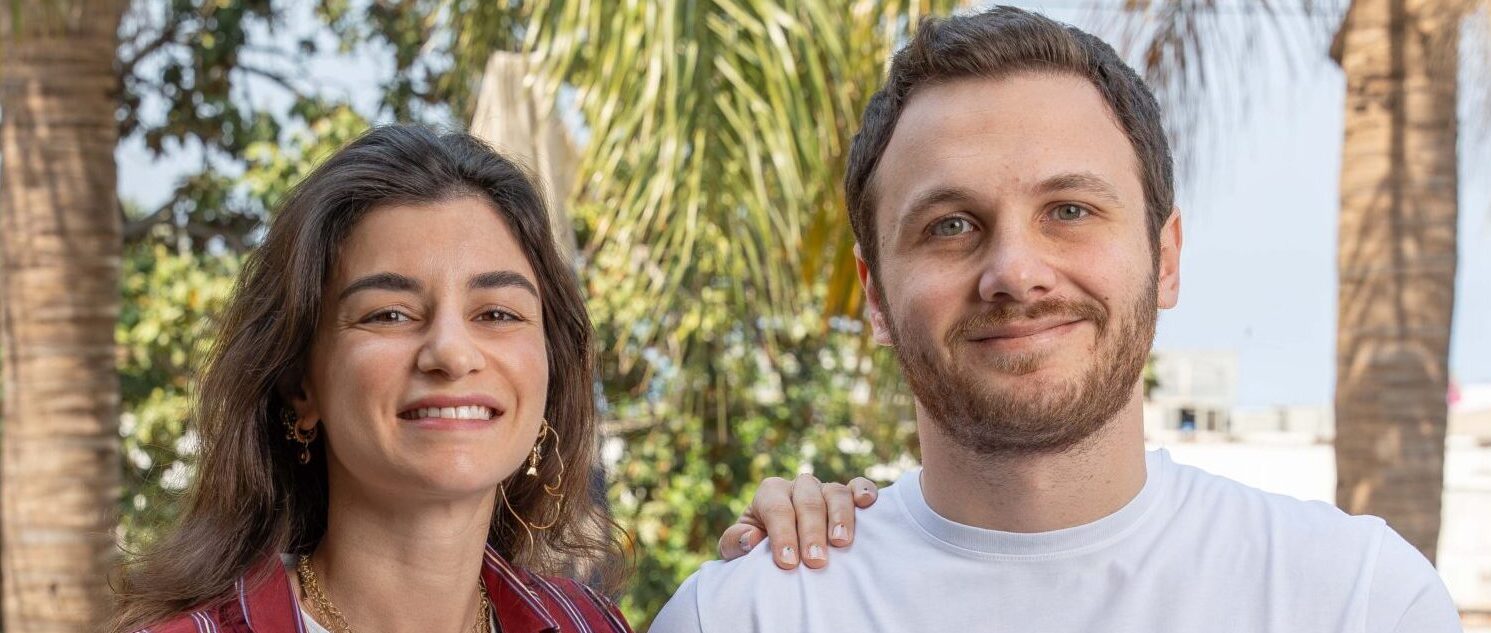
HONORING A LEGACY: RAISSA AND CHRISTIAN GHOSN ON CARRYING FORWARD GHIA HOLDING AND PAYING TRIBUTE TO JEAN-CLAUDE GHOSN
To start, how would each of you introduce yourselves to our audience, both personally and as leaders behind Ghia Holding?
Chris and I have always been very different. He naturally leaned toward real-world experience and practical thinking, while I was a high-achieving student who aimed for a career in multinational companies, where I ended up working for around 10 years. Chris represents instinct, adaptability, and real-world intuition—the kind of “street smart” thinking that reads situations quickly, takes risks, and isn’t constrained by formal rules. I bring a strategic mindset shaped by my experience in corporate environments, where planning, consistency, and long-term thinking are key. Today, we work together and our very different personalities complement each other in the best way.
Ghia Holding was founded by your father, the late Jean-Claude Ghosn, and after his passing in 2020, you both took over—Christian Ghosn as CEO and Managing Partner, and Raissa Ghosn as Head of Marketing and Partner. How has this transition shaped your vision and growth of the group?
Raissa: Christian took over in 2020, at the young age of 26, at a particularly difficult time – during the economic crisis, throughout COVID, in the aftermath of the 2020 explosion, and shortly after my father’s passing. It was a period full of challenges, and I have a lot of respect for the calm determination and resilience he showed throughout. At the time, I was based in France, but I started working remotely with him on the rebranding and repositioning of our flagship brand, Abd el Wahab. I later moved to Lebanon to support the implementation of this project and the opening of our branch in Naccache. Today, we are continuing this strategy with Duo, which you will soon rediscover with a fresh new experience.
Ghia Holding has grown into a major hospitality group with multiple successful venues, with international expansion across Dubai, Qatar, Egypt, Iraq , as well as continued growth in Lebanon, including Abd El Wahab in Naccache and upcoming openings in Broummana and Faqra. Can you share the story behind its creation and what shaped its identity today?
Abd el Wahab was born in 1999, in the beating heart of Beirut, on Abd el Wahab Inglizi street, bearing the same name as its birthplace. From its humble beginnings over 25 years ago, today our restaurant proudly represents our country’s strong cultural identity, its warmth and its generosity worldwide. 2025 and 2026 were all about solidifying our base in Lebanon. 2027 onwards, our focus will be on the international scene to start with Iraq and potentially Cyprus in the pipeline.
With such a wide presence across different countries, how do you ensure consistency in quality, service, and guest experience across all your venues?
Consistency in quality comes from acting as true partners, not just franchisors. We support international expansion by sharing our expertise, maintaining close communication with franchise teams, and providing clear guidelines and best practices. We also ensure alignment by placing internally trained individuals in key roles and staying closely connected to operations through regular site visits. Strong governance underpins this approach, enabling clear decision-making, accountability, and alignment across markets while supporting controlled, sustainable growth.
From your experience, what are the key marketing and branding strategies that work best today in the hospitality industry across Lebanon, the Middle East, and Europe, especially in such competitive and evolving markets?
The ultimate goal of any brand is to become a lovemark – a concept created by Kevin Roberts, former CEO of Saatchi & Saatchi. A lovemark is a brand that goes beyond being simply respected or trusted, it is deeply loved by consumer. Today at Ghia, we aspire at creating lovemarks. That means focusing on the fundamentals: a clear identity, a well-executed and consistent experience, great people, attention to detail, and authenticity. Ultimately, it’s about building a connection that gives people a reason to come back.
Beyond Abd El Wahab, Ghia Holding operates several concepts such as DUO and others. Can you tell us more about these brands and how each one targets a different audience?
In the early 2000s, GHIA, led by my father, was operating two restaurants: Le Monot, a traditional French bistro, and Ciao, a classic wood-fired Italian pizzeria—both located on Monot Street in Beirut. A few years later, during the golden days of downtown Beirut, my father decided to bring these two complementary experiences together under one concept: DUO. As its name suggests, DUO was born from duality—the meeting of comforting Italian cuisine and French refinement. Ahwak is our third brand. Its name is inspired by one of Abd el Wahab’s most beautiful compositions and literally translates to “I love you.” The restaurant embodies a relaxed, laid-back Lebanese café atmosphere, celebrating warmth, simplicity, and connection. Our fourth brand Denye Hek reflects the spirit of Lebanon’s golden era. Playful and joyful in nature, the brand offers a wide variety of dishes inspired by both Lebanese and international cuisines, adapted to an urban lifestyle.
How important is location when launching a restaurant across Lebanon, the Middle East, and Europe, and what key factors do you consider when choosing each market?
Location is still one of the most decisive variables in restaurant success. When choosing a location, you are committing to a specific demography and culture. This choice can definitely make or break a brand. Of course, it can be balanced by brand strength and experience.
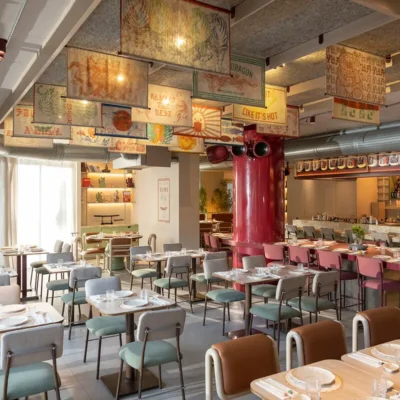
You are continuing a strong legacy in the Lebanese hospitality scene. How do you balance honoring that legacy while introducing innovation and new concepts?
We’re very aware that we’re carrying forward a strong legacy in the Lebanese hospitality scene—something that comes with both pride and responsibility. For us, honoring what our father has built is the starting point. It starts with being humble, respecting the foundations he laid and staying true to the core values of generosity, warmth, and authenticity. At the same time, we don’t see legacy as something static. Keeping it relevant means evolving it—introducing new concepts, refreshed identities, and updated experiences while remaining true to its essence. Just as importantly, we try not to take ourselves too seriously. Hospitality should feel joyful, so alongside discipline and respect, we bring in fun, creativity, and a sense of lightness. That balance is what allows a legacy to keep growing.
What is the most important value or principle that guides every decision within Ghia Holding?
At GHIA Holding, the values that guide every decision are authenticity and putting people first. Hospitality is really about people—our guests, our teams, and our partners. It’s about earning their trust and honoring it through hard work and staying true to who we are. Being authentic means being creative, trying new things, and standing out, while still keeping experiences consistent. Every guest should feel the same care, quality, and identity across all our brands and locations. For us, consistency isn’t just an operational goal—it’s a way of showing respect.
Finally, what is your vision for Ghia Holding in the next 5 to 10 years, and how do you see Lebanese hospitality evolving globally?
In Lebanon, we aim to continue strengthening our presence by expanding our existing brands and introducing new concepts. This includes entering new strategic regions such as Broummana, Faqra, and potentially other destinations with strong lifestyle and hospitality potential. At the same time, we are actively developing a new upscale restaurant concept, designed with a refined and elevated setting. Internationally, our focus is on growing our flagship brands beyond Lebanon, particularly expanding Abd El Wahab into new markets, while selectively exporting other concepts from our portfolio. We believe Lebanese hospitality has strong global potential; what sets it apart is not just the food, but the way it makes people feel – welcomed, at ease, and genuinely cared for.